Conflict-driven displacement deepens water and health service disruption in Gaza and Lebanon
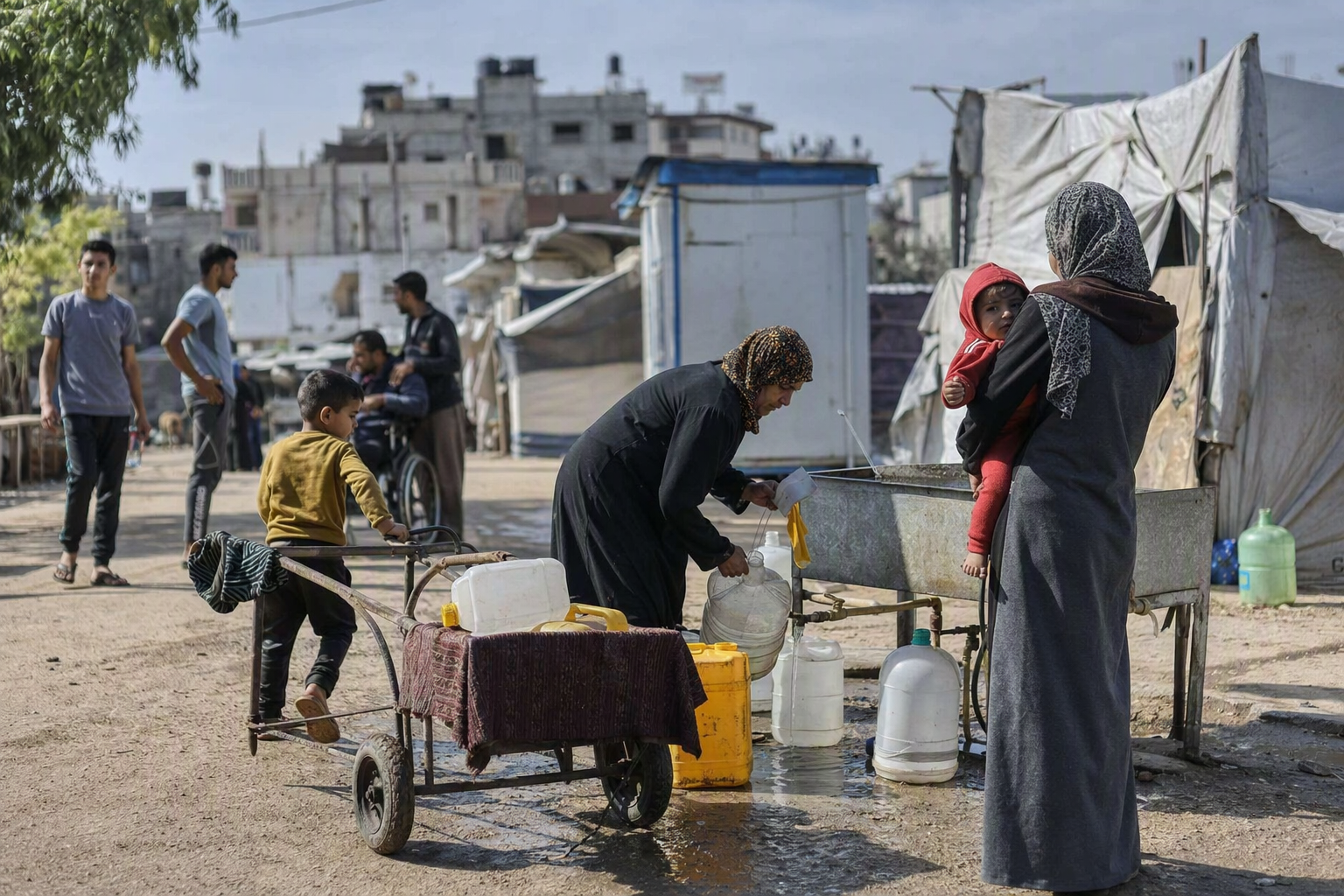
OCHA and WHO say repeated displacement, attacks on health care and damage to civilian infrastructure are worsening water access, health services and humanitarian needs in Gaza and Lebanon.
OCHA and WHO say repeated displacement, attacks on health care and damage to civilian infrastructure are worsening living conditions and straining humanitarian response in Gaza and Lebanon.
Service disruption deepens in Gaza
Conflict-driven displacement is worsening access to water, health care and other essential services in Gaza and Lebanon, according to the United Nations Office for the Coordination of Humanitarian Affairs and the World Health Organization.
OCHA reported on Aug. 14 that most people in Gaza remained internally displaced and were living in harsh conditions, while 90% of the population experienced moderate-to-high water insecurity in early July, up from 84% in June.
The agency said military activity, repeated displacement and damage to civilian infrastructure were deepening humanitarian needs across Gaza, where response efforts continued despite restrictions and funding shortfalls.
Displacement pressures continue in Lebanon
In Lebanon, OCHA said about 352,793 people remained displaced as of Aug. 6. It said 22,800 internally displaced people were staying in 232 collective shelters as of Aug. 10, while new displacement followed a displacement order affecting Mansouri in Tyre district.
OCHA also reported destruction and fire damage affecting a well and water stations in Nabatieh Governorate, worsening access to basic services for nearby communities.
Attacks on health care add to civilian risk
WHO said on Aug. 14 that it had verified 914 attacks on health care between January and August 2026, causing at least 911 deaths and 1,486 injuries. It said Ukraine, Lebanon and the occupied Palestinian territory accounted for a large share of the incidents.
The figures illustrate the broader toll of conflict on civilians who depend on functioning health facilities, clean water systems and safe shelter.
In Gaza, patients and health workers are also facing the effects of damage to medical facilities. WHO said in its Aug. 14 briefing, as summarized by UN News, that all 36 hospitals in Gaza had been damaged and only about half remained partially functional.
Education and funding pressures persist
In the occupied West Bank, OCHA reported on Aug. 7 that 84 schools serving nearly 13,000 students in Area C and East Jerusalem were subject to demolition orders. It also said demolitions in Masafer Yatta had affected students, adding to pressures linked to displacement and insecurity.
In Lebanon, OCHA said humanitarian partners were providing shelter, water, sanitation, hygiene and protection support, but the 2026 Lebanon Flash Appeal remained less than half funded in early August.
OCHA said the appeal sought $639.9 million and was less than half funded in early August.
Taken together, the agencies’ reporting indicates that without improved access, protection for civilians and health care, and additional funding, displaced families are likely to face continued health and service risks.
Key takeaways
- OCHA says most people in Gaza remain displaced and that 90% of the population faced moderate-to-high water insecurity in early July.
- OCHA says about 352,793 people remained displaced in Lebanon as of Aug. 6.
- WHO says it verified 914 attacks on health care between January and August 2026, with Lebanon and the occupied Palestinian territory among the most affected settings.
- Damage to wells, water stations and hospitals is worsening living conditions and limiting access to essential services.
- OCHA says Lebanon’s 2026 Flash Appeal remains less than half funded.
Sources
- OCHA, “Humanitarian Situation Report | 14 August 2026”
- OCHA, “Humanitarian Situation Report | 7 August 2026”
- OCHA, “Lebanon: Flash Update #49 - Escalation of hostilities in Lebanon (as of 10 August 2026)”
- UN Geneva / WHO, “UN Geneva Press Briefing - 14 August 2026”
- UN News, “An attack on healthcare every six hours, and no one held to account”